From dispensing medicine to personalised patient care
Published on 23 September 2026
Pharmacists are taking on broader clinical roles, from tailoring medicines, managing complex cases to using technology to support more-personalised care.
Getting a prescription filled may feel like the end of the process. But for many patients, it is only the beginning of managing their medicines day to day.
Back home, practical challenges often emerge, as patients need to keep track of multiple medications, remember doses, and fit them into daily routines alongside work, meals and other commitments. This is where the role of pharmacists extends well beyond the dispensary counter.
Making daily treatments easier to follow
Knowing what medicines to take is only part of the equation. Ensuring they are taken correctly and consistently at home is often another challenge. From managing several medications at different times of the day to using an inhaler incorrectly or missing doses because of a busy schedule, small lapses can have a significant impact on treatment outcomes.
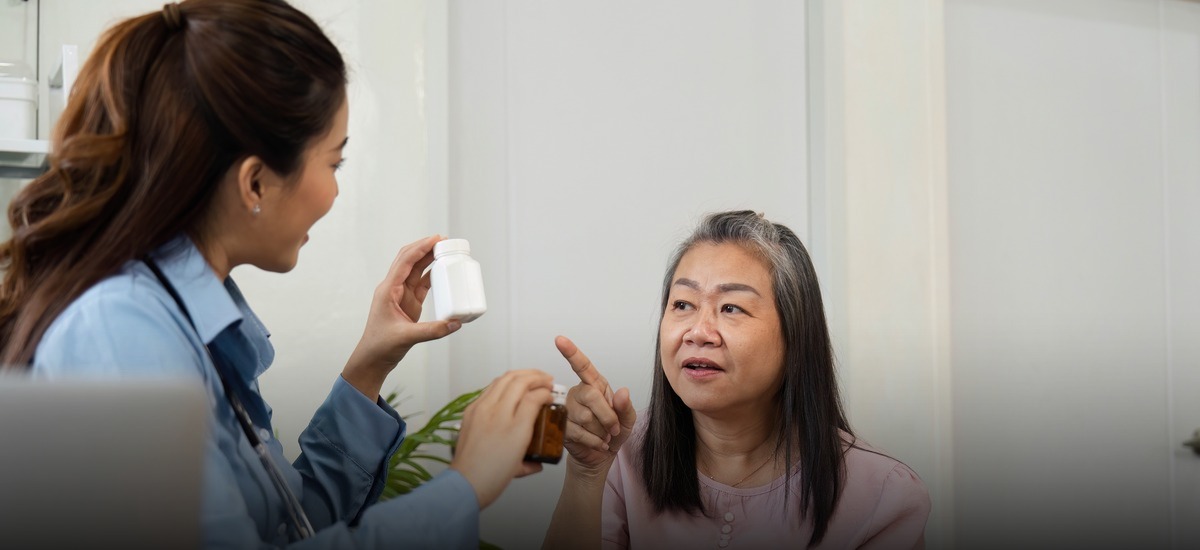
To help patients manage conditions such as diabetes, high blood pressure and high cholesterol, pharmacists run specialised clinics focused on monitoring disease control and adjusting medications where needed. During these consultations, pharmacists also take the opportunity to discuss how medicines fit into patients’ daily routines and identify issues that may otherwise go unnoticed.
Ms Koh Ying Pei, Senior Pharmacist, National University Health System (NUHS) Pharmacy, explained: “At these consultations, the pharmacist reviews the medication, helps patients adhere to their medications and supports them in managing their chronic conditions in the long term.”
|
Preparing for your medication review A medication review gives patients an opportunity to discuss their medicines with a healthcare professional. Before the consultation, consider the following:
|
Meaningful insights can often be gleaned from these conversations. “Often, we will hear patients telling us things like, ‘I didn’t know that my medication does this’,” Ms Koh shared. “Some come to realise why their treatment has not been working as intended, as they had been taking their medications incorrectly.”
Once these issues are identified, pharmacists can address them and, where needed, adjust the treatment plan. Working within established clinical protocols, they may adjust complex medications such as insulin or blood thinners to ensure the dose meets the patient’s current needs.
Integrating genetics into a patient’s treatment
Using medicines correctly is one part of effective treatment. However, the same medicine can affect people differently, so pharmacists also consider which treatments are most suitable for each patient.
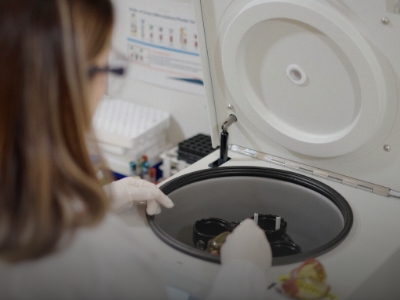
Through NUHS’s pharmacogenomics (PGX) programme, they review genetic test results alongside other clinical information to help guide the choice of medicine and dose. This can help identify treatments that are less likely to work well or carry a higher risk of side effects.
The aim is to “tailor the use of medication based on your genetic makeup”, explained Mr Louis Lim, Principal Clinical Pharmacist, National University Hospital (NUH).
Tailoring the prescription for individuals
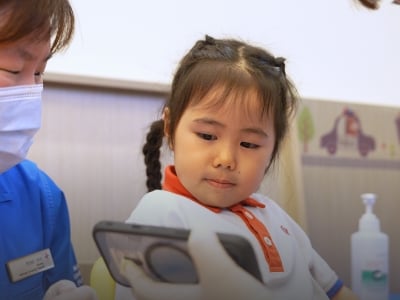
Personalised care also entails considerating a patient’s age and ability to take medicine. For example, pharmacists can prepare liquid medicines in a form and dose suited to the needs of children who cannot swallow tablets.
“Kids are not mini-sized adults. As they differ physically in size, we cannot give one standard dose for all kids,” Mr Lim said.
Pharmacists also work as part of the wider care team. In hospitals, they join doctors and nurses on ward rounds to review treatment, and work with dietitians to ensure medicines are suitable for patients on prescribed diets.
Extending care to the household
Treatment does not always stop with the patient. For some conditions, what happens at home (and who a patient lives with) can affect whether an infection clears or returns.
“Sometimes, we see patients with conditions like scabies or head lice,” Ms Koh said. Pharmacists assess whether other household members may need to be checked or treated and advise families on how to reduce the risk of spreading at home. With scabies, close contacts may need treatment even if they have no symptoms.
Mr Lim also described cases involving certain bacterial skin infections in children, where treatment is extended to family members. “Because bacteria is on the skin and there's always physical contact with the family member, you have to treat not just the child but the family as well,” he explained.
By considering a patient’s living environment and close contacts, pharmacists can address factors that may otherwise affect treatment and help prevent infections from returning.
More capacity to support patients in need
Providing patients and their families with dedicated support takes time. As pharmacists take on a more active role in patient care, they are also rethinking how technology can help them spend more time where it matters.
Automated systems handle routine medicine packing, freeing pharmacists to focus on consultations, treatment reviews and patients who need closer attention. AI tools can also screen prescriptions and identify patients who may need further advice about their medicines.
As Ms Koh emphasised, “Innovation is also about how we rethink and redesign our current way of working or providing care to the patients.”
As an Academic Health System with strong links to the National University of Singapore (NUS), NUHS involves pharmacists in testing and developing these tools to help ensure they meet patients' needs.
Good medication care is not just about getting the right medicines. It is about helping patients use them safely, confidently and in ways that work for everyday life.
What really happens beyond the dispensary counter? Catch the full conversation on the Care to Talk? podcast to hear from Mr Louis Lim and Ms Koh Ying Pei: [link}]
In consultation with Mr Louis Lim, Principal Clinical Pharmacist, NUH, and Ms Koh Ying Pei, Senior Pharmacist, NUHS Pharmacy.
Related Articles