All aboard: The viruses travellers should watch for on cruises
Published on 27 May 2026
The recent hantavirus outbreak aboard MV Hondius has shone a spotlight on the infectious disease risks that may arise on cruises, where close quarters can quicken the spread of viruses.At a glance
- The MV Hondius outbreak involves the Andes hantavirus, the only known strain capable of human-to-human transmission.
- The most notorious gastrointestinal illness associated with cruises is norovirus — a highly infectious pathogen that spreads quickly but is usually self-limiting.
- Human hantavirus infections in Singapore remain exceedingly rare.
While the cluster of hantavirus cases on the MV Hondius and resulting fatalities have sparked rising public scrutiny, such outbreaks on cruise ships are rare, and human hantavirus cases in Singapore remain exceptionally uncommon.
“Hantaviruses are a group of viruses found worldwide that can cause severe disease,” explained Dr Sean Wu, Programme Director & Consultant, Division of Infectious Diseases, Department of Medicine, National University Hospital (NUH). “All known species are carried by rodents, and in almost all cases, transmission to humans occurs through exposure to infected rodents or their secretions.”
Hantavirus infections may also occur when people breathe in dust contaminated with urine, droppings or saliva from infected rodents, especially when cleaning or disturbing areas with rodent activity.
“What makes the MV Hondius outbreak unusual is that it involves the Andes hantavirus — the only known strain capable of human-to-human transmission,” said Dr Wu. “The outbreak is also notable because hantavirus infections on cruise ships have not been previously reported, even though rodents near ports are sometimes known to carry the virus.”
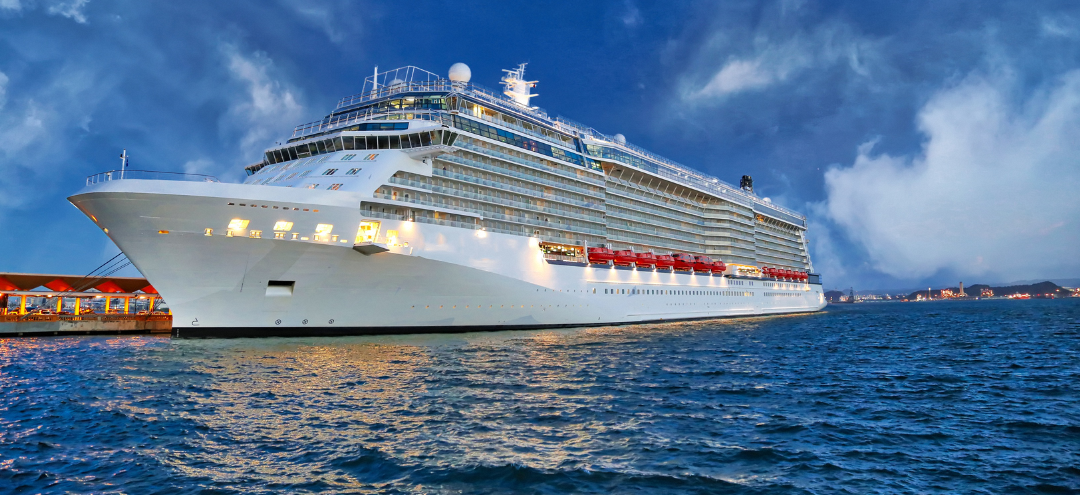
The expedition cruise ship, which was carrying about 150 passengers and crew, had departed Argentina on 1 April, a region where the Andes hantavirus is endemic.
According to the World Health Organization, a total of 12 cases, including three deaths, have been reported, as of 22 May.
Symptoms to look out for
Hantaviruses can cause two syndromes: Haemorrhagic fever with renal syndrome (HFRS) and hantavirus pulmonary syndrome (HPS), with the latter being implicated in the outbreak on MV Hondius.
HFRS is caused by hantaviruses found predominantly in Europe and Asia – this includes the Seoul virus, which has been detected in rodents in Singapore.
A severe disease that affects the kidneys, symptoms of HFRS usually develop within one to two weeks after exposure to hantavirus. In rare cases, symptoms may take up to eight weeks to present.
Initial symptoms of hantavirus infection can be non‑specific and resemble those of other common illnesses.
“Hantavirus infection typically begins with fever, fatigue, and muscle aches,” Dr Wu said. “Some people also develop abdominal symptoms such as pain, nausea, or diarrhoea. This is followed by lung involvement in hantavirus pulmonary syndrome (HPS), which is caused by the Andes hantavirus, manifesting in cough and breathlessness.”
Hantavirus in the local context: Seoul versus Andes
According to the National Environment Agency, there were an average of about 5,400 rat burrows per cycle in the first half of 2025, almost double the 2,800 rat burrows per cycle found in the same period in 2024.
Against this backdrop of rising rodent activity and increased burrow counts, growing attention has focused on potential public health risks, particularly the diseases that rodents may carry.
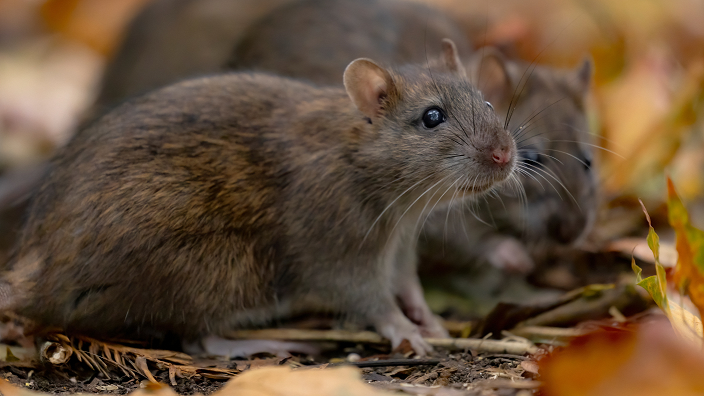
While a significant proportion of rodents in Singapore carry the Seoul virus, local hantavirus infections remain rare.
“A 2022 study published in Nature found that one in three rats in Singapore had been exposed to a specific hantavirus called Seoul virus,” Dr Wu said. “Reassuringly, Seoul virus does not spread between humans and is associated with a much lower fatality rate than Andes hantavirus.”
“Despite what may seem like an alarmingly high prevalence in rats, human hantavirus infections in Singapore remain exceedingly rare, with only a handful of case reports over the past two decades.”
Common pathogens in cruise settings
To mitigate the risk of hantavirus transmission on cruises, Dr Wu advises travellers to conduct their own research into the pest management protocols deployed by cruise operators. “I would look into how the cruise company manages pest control, particularly for rats, since rodent exposure is the primary route of transmission,” he elaborated. “Most large ships do have established pest control programmes.”
“For travellers who find themselves in the middle of an outbreak onboard, I would advise avoiding close, prolonged contact with others,” Dr Wu said. “Where interactions are unavoidable, wearing a face mask and washing hands frequently — especially after touching shared surfaces and before meals — would be prudent.”
Travellers should visit a travel health clinic or their doctor four to six weeks before their trip for pre-travel health counselling on required or recommended vaccinations and medications for overseas travel, given that cruise travellers visit various destinations during their voyage.
While cruises offer a convenient, all‑in‑one getaway for individuals and families alike, the very design that enables this convenience can also heighten the risk of infectious disease outbreaks.
Passengers from different parts of the world gather in close quarters for days or weeks at a time, sharing communal spaces such as dining areas, theatres and lounges. High‑touch surfaces such as lift buttons, door handles and buffet utensils may facilitate the spread of gastrointestinal viruses. Crowded, enclosed spaces within the cruise ship can potentially increase airborne transmission risk of respiratory infections, including COVID-19 and influenza.
“In comparison to hantavirus, respiratory and gastrointestinal infections are far more common on cruises,” Dr Wu explained. “The most notorious gastrointestinal illness associated with cruises is norovirus — a highly infectious pathogen that spreads rapidly but is generally self-limiting.”
Noroviruses are a group of highly contagious viruses that cause vomiting and diarrhoea, which can be transmitted easily through contact with an infected individual, or contaminated surfaces, food and water.
Symptoms usually appear 12 to 48 hours following exposure, and generally last for one to three days. While it is largely self-limiting, norovirus can potentially cause dehydration in older people, young children and immunocompromised individuals.
“For the more common risks of respiratory and gastrointestinal infections in cruise settings, the advice is similar: avoid crowded spaces during peak periods, wear a mask indoors where possible, and maintain good hand hygiene, particularly before meals,” Dr Wu said.
Travellers who are unwell during or after travel should seek medical attention promptly, and inform doctors of their travel history, itinerary and possible exposures.
In consultation with Dr Sean Wu, Programme Director & Consultant, Division of Infectious Diseases, Department of Medicine, NUH.