Preventive health starts on the plate: A dietitian’s perspective
Published on 13 October 2026
Small, sustainable lifestyle changes can go a long way in improving individual and community health.
1. Can you share a little about your background and what inspired you to pursue a role in the community?
I have been a dietitian for over 15 years, with the last 12 years dedicated to community practice. My journey into community dietetics was driven by a simple observation during my early years in hospital care: many patients would see their conditions improve during their hospital stay, but return later with the same health issues. This made me realise that health is shaped not just by clinical care, but by the choices and challenges people face in their everyday lives.
Working in the community has given me the opportunity to understand these real-life influences on health, from family and cultural practices to daily routines and access to healthy food. It has also shown me the importance of prevention and early intervention. Supporting people to make healthier choices before complications develop can have a lasting impact on both individual and community health.
Over the years, I have learned that effective nutrition care is not just about providing evidence-based advice. It is about understanding each person's unique circumstances and helping them find practical, sustainable solutions that work for them.
What continues to inspire me is the opportunity to empower individuals and communities to take charge of their health. After a decade of community practice, I remain passionate about helping people build healthier habits and creating environments that support long-term well-being.
2. Many people go to dietitians only after they develop a health condition. Why are healthy habits and weight management so important in preventing chronic diseases and managing them well over time? What practical advice would you give residents looking to build healthier habits?
Many people only see a dietitian after being diagnosed with conditions such as diabetes, high blood pressure, or high cholesterol. However, healthy habits and weight management are important long before disease develops. What we eat, how active we are, how well we sleep, and how we manage stress all influence our long-term health and risk of chronic disease.
In Singapore, this is especially relevant given our food culture and increasingly sedentary lifestyles. That's why prevention is so important. One message I often share is: don't aim for perfection, aim for consistency. Small, sustainable changes can make a big difference over time.
Some practical tips include:
|
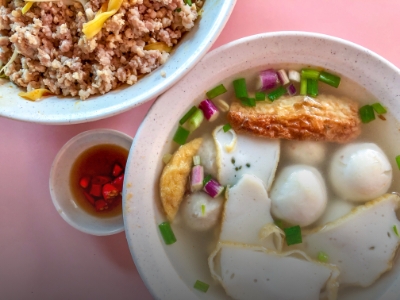
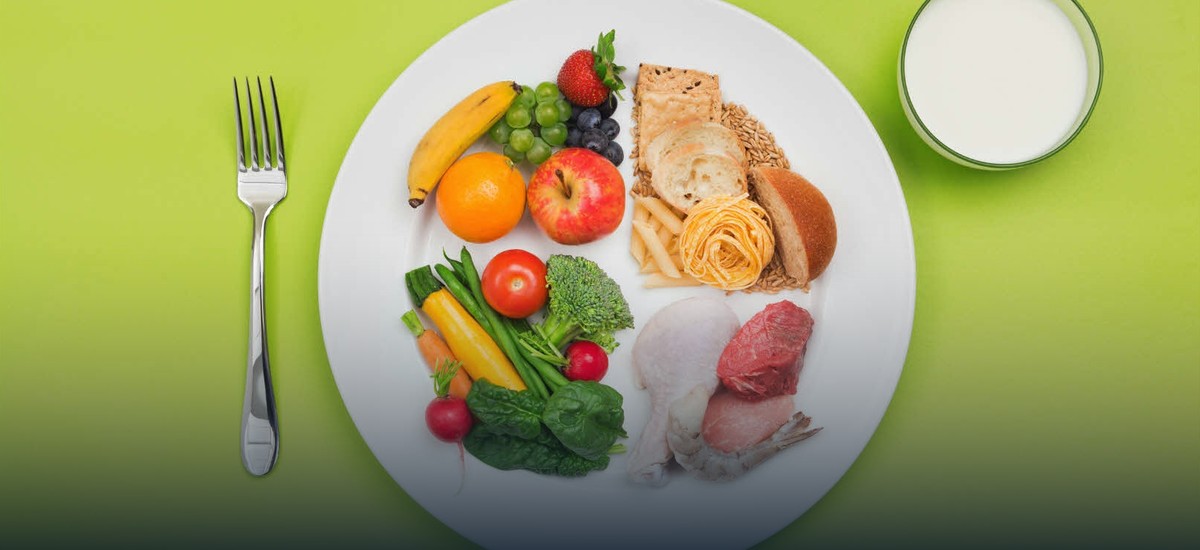
Follow My Healthy Plate: Choose healthier drinks: Move more: Prioritise sleep and stress management: Start small: |
Most importantly, don't wait until a health problem develops before taking action. Building healthy habits early can help reduce the risk of chronic disease, support better health, and improve quality of life.
It may help to think of preventive health in the same way we care for the things we rely on every day — we service our cars regularly to prevent problems, not just when they break down. Similarly, our bodies deserve the same proactive care.
3. Many people struggle to manage their weight despite their best intentions. What are some common barriers that prevent residents from achieving a healthy weight, and how do you help them make changes that can be sustained over the long term?
In my experience, most people already know the basics of healthy eating and exercise. The real challenge is fitting these habits into busy lives and maintaining them over the long term. Common barriers include work and family commitments, easy access to calorie-dense foods, emotional eating, financial constraints, and the overwhelming amount of nutrition information available today.
My approach is to move beyond the “diet” mindset and focus on sustainable lifestyle changes. I start by understanding each person's routines, challenges, and goals, then work with them to set realistic and meaningful targets. Rather than making drastic changes, we focus on small, achievable habits, such as choosing water instead of sweetened drinks, adding more vegetables to meals, or taking regular walks.
I also tailor recommendations to fit each person's lifestyle and budget, because healthy living needs to be practical and sustainable. Most importantly, I encourage residents to look beyond the number on the scale. Improvements in energy levels, sleep, fitness, blood sugar control, and overall well-being are all signs of success.
Ultimately, sustainable weight management is not about perfection. It's about building healthy habits that fit into everyday life and can be maintained for years to come.
4. Can you share an experience with a resident that left a lasting impression on you and reinforced the impact that nutrition support can have on someone’s weight loss/health journey?
One resident who left a lasting impression on me was a grandmother in her late 60s who was referred for weight management and poorly controlled diabetes. On paper, it seemed like a straightforward case, but when I got to know her, I realised she was juggling multiple caregiving responsibilities and had completely put her own health last.
What struck me most was when she told me, “These foods are like my family. If I give them up, what do I have left?” It reminded me that food is not just nutrition. It is culture, identity, comfort, and connection. Instead of asking her to give up her favourite foods, we worked together to make small, realistic changes, such as adjusting portions, reducing sugar gradually, and creating time for regular meals and self-care. We also connected her with additional support to help manage her caregiving stress.
Over the following year, she lost about 8kg, significantly improved her blood sugar control, and avoided the need to start insulin. But what stayed with me was what she said during a follow-up visit: “I still make nasi lemak for my family every Sunday, but now I make a smaller plate for myself and sit down to enjoy it. That feels like a victory.”
This experience reinforced an important lesson: lasting change happens when people feel heard, understood, and supported. As dietitians, our greatest tool is not a meal plan, but the relationships we build with the people we serve.
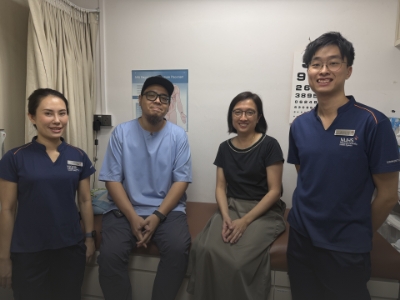
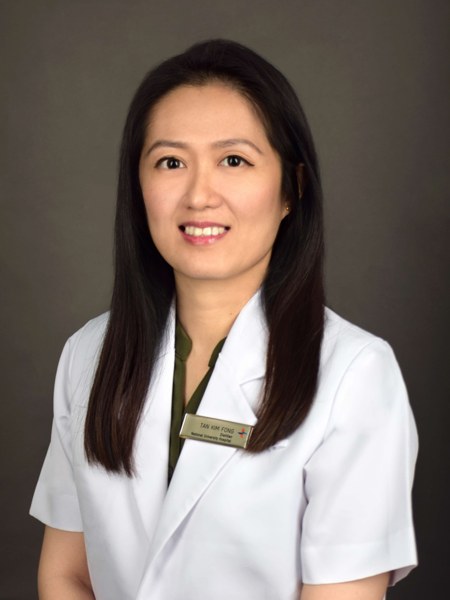
In consultation with Ms Tan Kim Fong, Principal Dietitian, NUH.
Related Articles