DNA detectives: Hunting down hidden hospital bacteria
Published on 5 August 2026
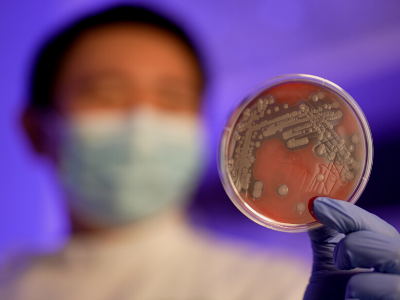
By analysing the genetic fingerprints of microbes, researchers can detect outbreaks earlier, identify antibiotic resistance faster and support more-targeted treatment.
At a glance
-
Whole-genome sequencing can reveal how infections are linked, where they originated from and how they are spreading.
-
By extracting microbial DNA directly from patient samples, researchers can reduce diagnostic turnaround times from several days to around 24 hours.
-
This enables earlier intervention, more-targeted treatment and more-effective outbreak control.
For clinicians treating hospital-acquired infections, standard laboratory tests may leave a critical gap: they might confirm the presence of an infection, but often cannot reveal where the pathogen originated from or how it has spread.
To address this gap, the National University Health System (NUHS) is increasingly using whole-genome sequencing. By reading a bacterium's complete genetic code, clinicians can trace hidden transmission pathways, identify antibiotic resistance earlier and support more-effective outbreak management.
A/Prof Niranjan Nagarajan, Associate Director (AI & Compute) at the Laboratory of Metagenomic Technologies and Microbial Systems, National University of Singapore (NUS), said this represents a broader shift in healthcare — from reacting to infections after they occur to detecting threats before they spread.
Moving past slow diagnostics
For decades, standard culture-based tests have been the backbone of infectious disease diagnosis. While these tests identify specific bacteria, they reveal little about a pathogen's resistance profile or transmission pathway.
Culturing bacteria in a laboratory also takes time, often requiring several days before actionable results become available. Because bacteria evolve rapidly, these delays can affect how quickly clinical teams respond.
To reduce waiting times, researchers have turned to clinical metagenomics. This approach analyses microbial genetic material directly from patient samples, reducing diagnostic turnaround times from several days to approximately 24 hours. It also allows clinicians to detect bacteria, viruses and fungi simultaneously, bypassing the need for slow-growing cultures.
Treating the hospital as an ecosystem
Understanding where pathogens thrive is an important part of preventing future outbreaks.
To understand how bacteria survive outside the human body, A/Prof Nagarajan's laboratory undertook an extensive genomic mapping study of a tertiary hospital.
Over 18 months, researchers swabbed and sampled 179 physical sites associated with 45 hospital beds.

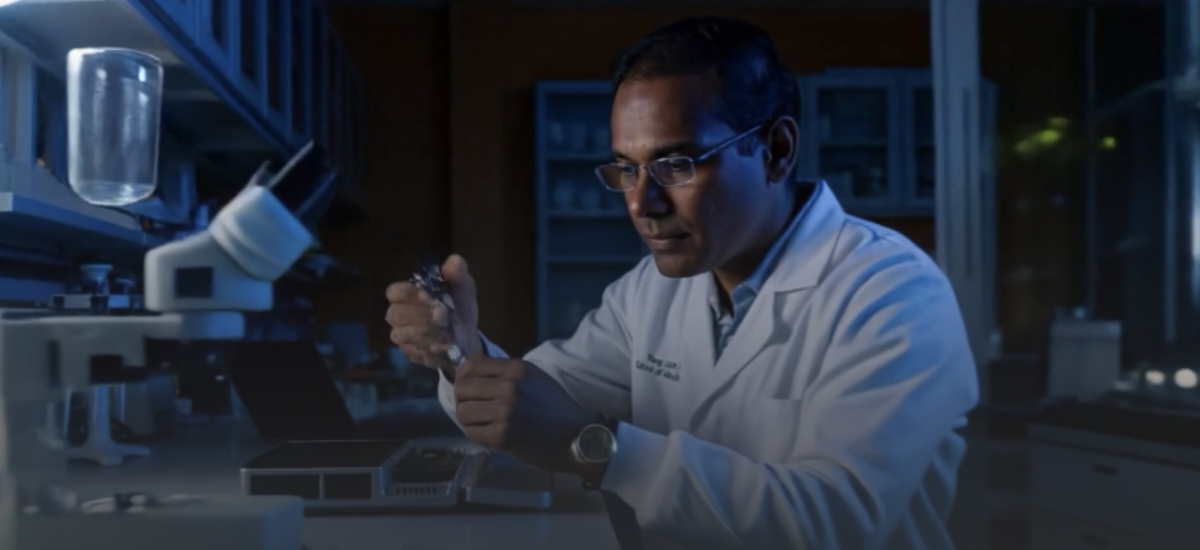
A/Prof Niranjan Nagarajan (far left) led an 18-month project to map where resistant bacteria hide in hospitals.
The study found that multidrug-resistant organisms can survive for prolonged periods in hospital environments.
Certain bacteria persisted in hospital environments for more than eight years. They survived in microscopic niches that standard disinfection practices may not fully eliminate.
This means bacteria can remain in a ward long after a patient has been discharged, creating ongoing opportunities for transmission.
Mapping unrecorded pathogens
The environmental sampling also uncovered a substantial amount of previously unrecorded biological material.
More than 60 per cent of the identified genetic sequences were novel.
Because these genetic signatures are absent from existing global databases, they remain invisible to conventional diagnostic methods.
Sequencing provides researchers with a more complete picture of the hospital microbiome and helps identify potential reservoirs of infection that would otherwise go undetected.
This information can help hospitals refine infection-control measures and target hidden sources of infectious agents.
Anticipating future hospital outbreaks
Historically, genomic sequencing was used primarily to investigate outbreaks after they had occurred.
A/Prof Nagarajan and his team have developed computational approaches that aim to use sequencing data proactively.
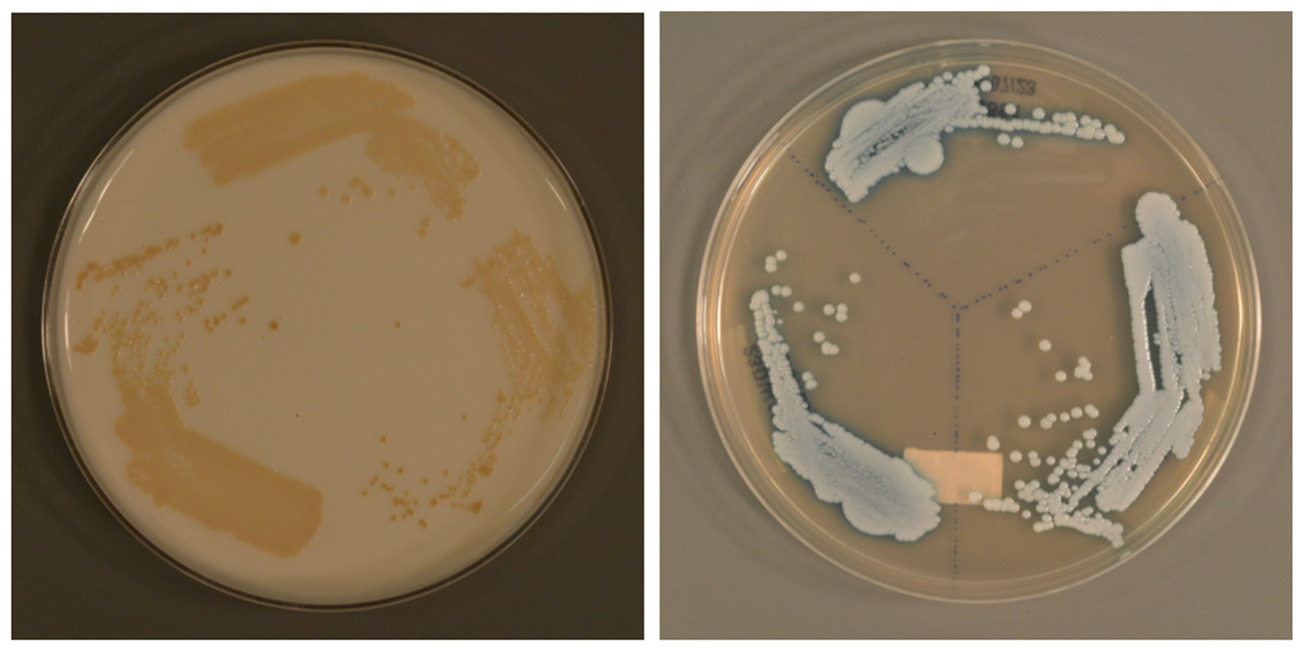
Standard culture-based diagnostics can take several days to yield results, prompting a shift towards faster genomic sequencing.
Rather than focusing solely on outbreak investigation, researchers are exploring how genomic surveillance can function as an early-warning system.
A germ's genetic code acts as a unique fingerprint. By comparing genomes, researchers can determine whether infections are linked, how they are spreading and where interventions may be needed.
Earlier detection supports faster containment and more targeted infection-control measures.
How bacteria share resistance
Sequencing does not only reveal a bacterium's current characteristics but also show how resistance may emerge and spread.
By analysing mobile genetic elements within microbial DNA, researchers can observe how bacteria exchange resistance genes.
A relatively harmless strain may acquire new resistance traits from a neighbouring multidrug-resistant strain, potentially becoming a future clinical threat.
Understanding these genetic exchanges allows researchers to identify high-risk strains and monitor emerging resistance patterns more effectively.
Beyond diagnosis: Precision treatment
Genomic information can also support more precise clinical decision-making, by providing additional information about resistance genes and likely treatment responses.
This allows clinicians to make more-informed antibiotic choices and reduce reliance on broad-spectrum treatment where appropriate.
Addressing public antibiotic misuse
While hospitals strengthen outbreak surveillance, antimicrobial resistance is also driven by inappropriate antibiotic use in the community.
A National Centre for Infectious Diseases (NCID) survey conducted between 2020 and 2021 found:
-
65 per cent of respondents mistakenly believed antibiotics were effective against viral infections such as influenza;
-
Individuals with poorer antibiotic knowledge were three times more likely to use antibiotics inappropriately.
Practices such as self-medicating with leftover antibiotics or seeking antibiotics for viral illnesses increase selective pressure on bacteria, encouraging the emergence of resistant strains.
While genomic surveillance can identify resistance more quickly, preventing antimicrobial resistance also requires responsible antibiotic use.
Looking ahead
As infectious threats continue to evolve, researchers are looking beyond diagnosis towards prediction and prevention.
Genomic sequencing, clinical metagenomics and computational analysis are enabling clinicians to detect infections earlier, understand transmission pathways more clearly and respond more precisely.
Together, these tools are helping healthcare systems move from reacting to outbreaks towards anticipating them.
In consultation with A/Prof Niranjan Nagarajan, Associate Director (AI & Compute), Laboratory of Metagenomic Technologies and Microbial Systems, and Professor, Department of Biochemistry, Yong Loo Lin School of Medicine, NUS Medicine.
Related Articles